Deferred Action
Between 2006 and 2009 Leo helped build the instruments: survey questions for an ethnosurvey of randomized households, the IRB application and its addendums, component studies with day laborers and with immigrant women facing trauma and barriers to care. He collected the oral histories door to door, sitting in kitchens with families who had every reason to keep the door shut.
On December 18, 2010, the DREAM Act failed cloture in the Senate by five votes. Leo watched from the gallery beside the eighteen year old who had been released the day before after a month in federal immigration detention. The boy was still wearing the same clothes he was arrested in. Leo had spent the month between Thanksgiving and Christmas getting him out: he reached the family that trusted no one, found him one of the top lawyers in the country, and sped three hours north to secure his release before going straight from the jail to the airport to fly to Washington to lobby their senator together.
The young people around them left the chamber and gathered in the hall, where the boy prayed in the center of the huddle. Then they turned to the flag and said the Pledge of Allegiance.
Eighteen months later the administration built by executive action what the Senate would not pass. Deferred Action for Childhood Arrivals was announced on June 15, 2012, and the announcement set an intention without yet saying who it would reach. Within days the White House convened immigration attorneys, researchers, and advocates from around the country to frame that. Leo was among those at the table during the big conversations about what belonged in the program, what the law would not permit, and how it would be explained.
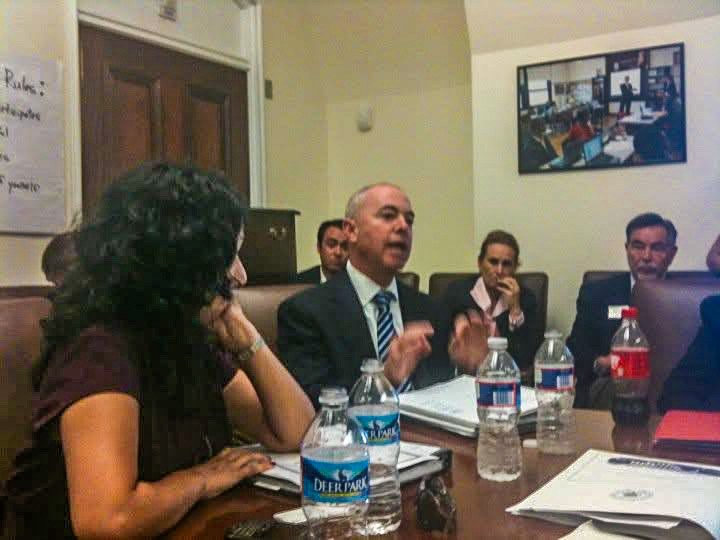
The criteria were dates and ages, and they were drawn wide: how old you were when you arrived, how old you were that June, how long you had been here.
The year before, ICE had been told to spend its limited resources on people who posed a real threat, and to stay out of schools, hospitals, and places of worship.
- Poster Child · Cincinnati Magazine, December 2011. Longform account of the case and of the Cincinnati advocacy behind it. Published under Leo Pierson.
Eight years later the program came under sustained attack, and two hundred mayors made the public case for it: Cities for DACA, 2020 – 2021. In Cincinnati the same case became a standing institution: Cincinnati Compass, built at the Cincinnati Regional Chamber.